Sweet Ribbon Font for Web Design
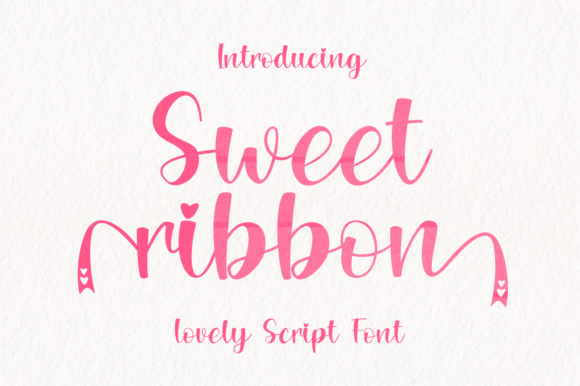
Sweet Ribbon is a handwritten script font that brings a warm, personal touch to digital design. Its soft curves and elegant strokes make it ideal for web projects that require a friendly, authentic feel. As a member of the Script Amp collection, Sweet Ribbon offers versatility without sacrificing clarity, making it a valuable addition to any designer’s toolkit.
Web designers often look for fonts that balance style with readability. Sweet Ribbon excels in this area by maintaining legibility even at smaller sizes. Its natural, imperfect lines mimic real handwriting, which can enhance the emotional connection between a brand and its audience. This makes it particularly effective for creative websites, online stores, and marketing campaigns that aim to feel more approachable and human.
Using Sweet Ribbon in Web Layouts
Sweet Ribbon works best as a display font rather than a body text option. It shines in headers, call-to-action buttons, and decorative elements where visual impact matters most. For example, on a creative portfolio site, using Sweet Ribbon for project titles or taglines can add a unique personality that sets the design apart from generic templates.
In landing pages, Sweet Ribbon can be used to highlight key messages or feature sections. A coaching website might use it for headlines like “Start Your Journey Today” or “Transform Your Life.” These phrases stand out while still maintaining a clean, professional look. The font also pairs well with simpler typefaces, allowing for a balanced visual hierarchy that guides users through the content effectively.
Designing for Readability and User Experience
When using Sweet Ribbon on mobile screens, it’s important to ensure sufficient contrast and spacing. On small buttons or short phrases, the font remains readable but should not be overused. Dark backgrounds with light text or light backgrounds with dark text both work well, as long as the font size is appropriate.
For image overlays or social media graphics, Sweet Ribbon adds a handcrafted feel that complements visual storytelling. However, it’s best to avoid using it in long paragraphs or dense blocks of text. Instead, use it for headings, subheadings, or accent elements that draw attention without overwhelming the user.
Pairing Sweet Ribbon with Other Fonts
Font pairing is essential for creating a cohesive design system. Sweet Ribbon pairs well with sans serif fonts like Open Sans or Montserrat, which provide a clean, modern contrast. This combination works well for websites that need both personality and professionalism. For editorial designs, pairing Sweet Ribbon with a serif font like Georgia or Playfair Display can create a refined, elegant look.
When designing for an online store, using Sweet Ribbon for product titles or promotional banners can help differentiate the brand from competitors. Pairing it with a simple, neutral font for descriptions ensures that the content remains easy to scan and understand.
Applying Sweet Ribbon to Brand Identity
Brands looking to establish a warm, inviting tone can benefit from using Sweet Ribbon in their logos, social media profiles, and marketing materials. Its handwritten style evokes a sense of creativity and authenticity, which can build trust with customers. For a boutique online store, applying Sweet Ribbon to headers or section titles can reinforce a cohesive, personalized brand identity.
On a course sales page, using Sweet Ribbon for headlines like “Enroll Now” or “Join Our Community” can create a more engaging and persuasive experience. The font’s charm helps to convey enthusiasm and excitement, encouraging users to take action.
Considerations for Commercial Use
Before using Sweet Ribbon in commercial projects, check the licensing terms to ensure compliance. Most premium fonts allow for web embedding and commercial use, but it’s important to verify the specific rights associated with the font. This applies to websites, client projects, online stores, and digital templates.
Designers should also consider the file formats and available styles. Sweet Ribbon may come in multiple weights or include alternate characters, which can add flexibility to the design process. For multilingual projects, confirming that the font supports the necessary characters is crucial to maintaining consistency across different languages.
Enhancing Visual Hierarchy and Brand Tone
Sweet Ribbon contributes to a brand’s tone by adding a personal, expressive quality to the design. It’s particularly effective for brands targeting creative or lifestyle audiences. When used in moderation, it enhances the overall aesthetic without distracting from the core message.
In a blog header, Sweet Ribbon can be used to create a visually appealing title that reflects the brand’s voice. For a digital brand kit, incorporating the font into business cards, email templates, and social media posts helps maintain a consistent visual identity across all platforms.
Practical Applications for Digital Creators
Digital product creators can use Sweet Ribbon to elevate the look of their landing pages, app interfaces, and marketing assets. Its handwritten style adds a unique flair that can set a product apart in a competitive market. Whether it’s for a SaaS platform, an online course, or a digital template, Sweet Ribbon offers a versatile solution for expressive design.
For UI designers, integrating Sweet Ribbon into buttons, icons, or interactive elements can improve the user experience by making the interface feel more approachable. Its subtle imperfections give the design a human touch, which can increase user engagement and satisfaction.