Strawberry Scarlett Font Review
As a web designer, I’m always on the lookout for fonts that bring personality and visual interest to digital projects. Strawberry Scarlett caught my eye during a recent redesign of a boutique online store. Its soft, handwritten style adds a warm, inviting feel that fits perfectly with the brand’s aesthetic.
Visual Personality and Digital Appeal
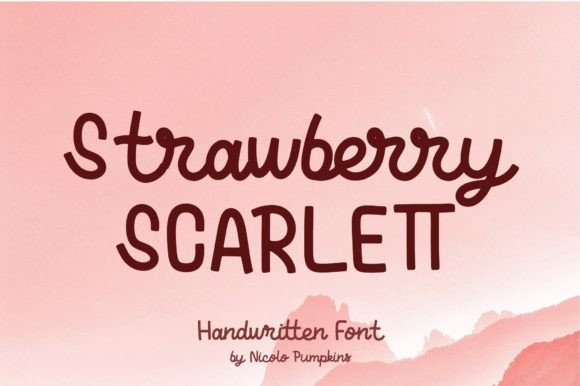
Strawberry Scarlett has a friendly, approachable vibe that feels almost like a personal note from a friend. The font’s fluid strokes and subtle swashes give it a handcrafted look, making it ideal for creative websites that want to stand out without being too flashy. It’s not overly ornate, but it still has enough character to make a statement.
This font works well in digital spaces where a human touch is needed—like headers, call-to-action buttons, or promotional banners. It brings a sense of authenticity that can be hard to achieve with more rigid typefaces.
Use Cases in Web Design
I tested Strawberry Scarlett in several areas of the website, starting with the hero section. The headline stood out beautifully against a background image, drawing attention without overwhelming the viewer. It added a playful yet professional tone that matched the brand’s identity.
On mobile devices, the font remained legible and didn’t lose its charm. I was impressed by how well it scaled down for smaller screens, maintaining clarity even at smaller sizes. This makes it a solid choice for responsive design work.
The font also worked well as a button text. It gave the CTA a friendly, approachable feel that encouraged users to take action. I paired it with a clean sans-serif font for the body text, which helped balance the design and maintain readability across different screen sizes.
Readability and Layout Performance
One of the key considerations when using a decorative font like Strawberry Scarlett is how it performs in different layout scenarios. I found that it works best for short phrases, headings, and decorative elements rather than long paragraphs.
For example, using it in a blog header or a product title made sense, but trying to use it for body copy led to a less-than-ideal reading experience. That said, when used strategically, it can enhance the visual hierarchy and guide the user’s eye through the page.
It also performed well over dark backgrounds and image overlays, which is important for modern web design trends. The contrast was sharp enough to maintain readability while still keeping the font’s unique style intact.
Font Pairing and Brand Consistency
When working on a brand identity project, consistency is key. I paired Strawberry Scarlett with a simple sans-serif font for the body text, which created a nice balance between creativity and clarity. This combination worked especially well for landing pages and product listings, where both visual appeal and readability are essential.
For editorial-style websites or blogs, pairing it with a serif font could add a more traditional, elegant feel. The contrast between the two fonts helped create a layered, sophisticated design without feeling cluttered.
It’s also worth noting that Strawberry Scarlett is PUA encoded, which means it’s easy to access all the glyphs and alternate characters. This flexibility is great for customizing designs and ensuring that the font remains versatile across different projects.
Commercial Use and Licensing
If you’re planning to use Strawberry Scarlett in a commercial project, it’s important to check the licensing details. The font is available in multiple file formats, making it suitable for web use, print, and digital assets. It’s a premium font that offers good value for designers who want to elevate their brand’s visual identity.
For web designers, ensuring that the font is properly licensed for online use is crucial. Strawberry Scarlett’s availability as a webfont makes it a practical choice for building custom typography into websites without relying on system fonts.
Overall, Strawberry Scarlett is a versatile and appealing font that brings a personal, handmade feel to digital projects. Whether you're designing a portfolio site, an online store, or a marketing campaign, it’s a great addition to your design toolkit.